
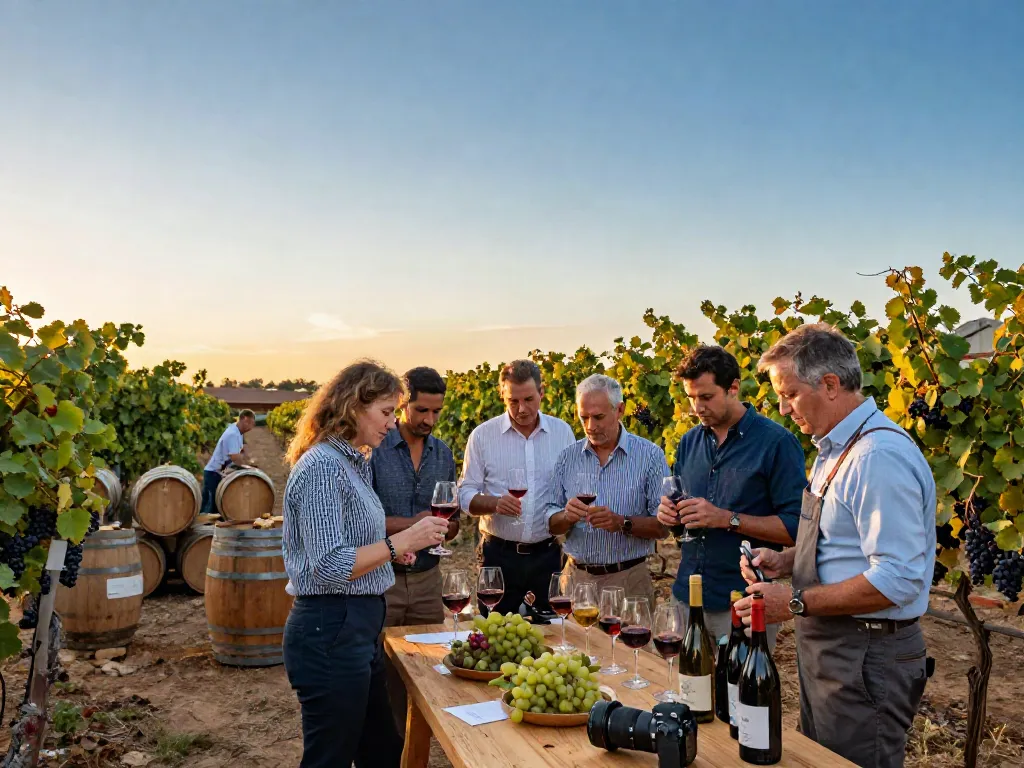
Understanding the Evolution of the Wine Collective Model
The wine industry, traditionally dominated by individual winemakers, has seen a dramatic shift towards collaborative models in recent years. This evolution reflects a growing recognition of the benefits that come from working together, particularly for emerging winemakers. A wine collective offers a supportive community that fosters creativity, resource-sharing, and a collective approach to overcoming the challenges of the wine production process. This is where platforms like avpwinecollective.com come into play, providing a rich environment for new talent to thrive.
What is a Wine Collective?
A wine collective is essentially a group of wineries or winemakers who join forces to share resources, knowledge, and facilities. This cooperative model allows members to produce wine under a shared brand or independently while taking advantage of communal tools and expertise. The concept aims to democratize winemaking, making it accessible to smaller producers who may not have the capital to establish their own facilities.
The Impact of Collaborations on Emerging Winemakers
Collaborations within wine collectives lead to innovation and synergy, which are crucial for emerging winemakers. By pooling their resources, members can access state-of-the-art equipment, including crushing, fermentation, and bottling facilities that may have otherwise been unaffordable. Moreover, the sharing of best practices and peer learning creates a more knowledgeable cohort of winemakers, enhancing the overall quality of the wine produced.
Success Stories from avpwinecollective.com
Numerous stories from AVP Wine Collective illustrate the transformative power of this model. Many emerging winemakers have begun their journey without significant capital investment, relying on the facilities and shared knowledge provided by the collective. By collaborating with others, they not only enhance their skills but also foster a community where mentorship and support are ever-present, leading to tremendous growth in both personal and professional capacities.
Benefits of Joining a Wine Collective
Joining a wine collective like AVP Wine Collective comes with numerous advantages that can accelerate a winemaker's career. The support system is invaluable, particularly for those who are just starting out in the competitive wine industry.
Access to Resources and Facilities
One of the most significant benefits of being part of a wine collective is access to shared resources and facilities. This includes everything from vineyards to processing equipment and storage facilities. New winemakers can engage in the entire process of winemaking without bearing the heavy financial burden alone.
Shared Knowledge and Expertise
The collective model thrives on shared knowledge, where experienced winemakers can guide novices through the complexities of viticulture and oenology. Regular workshops, tastings, and feedback sessions are often part of the experience, ensuring that all members continually enhance their craft.
Networking Opportunities in the Wine Industry
Being a member of a wine collective opens doors to essential networking opportunities. Members can connect with industry professionals, distributors, and retailers, paving the way for collaborations and partnerships that might otherwise be difficult to establish on their own.
Navigating Challenges in Winemaking as a Collective
Despite the myriad benefits, winemakers in a collective also face unique challenges. Understanding these challenges is crucial for ensuring long-term success and sustainability.
Common Obstacles Faced by Emerging Winemakers
Emerging winemakers often struggle with issues such as market saturation, rising production costs, and the complexities of regulatory compliance. Additionally, finding a distinct voice and brand identity in a highly competitive marketplace presents another layer of difficulty. These challenges can be amplified when sharing resources, requiring careful coordination and communication among members.
Innovative Solutions from avpwinecollective.com
AVP Wine Collective addresses these challenges head-on through a structured framework that emphasizes collaboration and innovation. By encouraging open dialogue among members, the collective fosters a problem-solving environment that can adapt to the changing landscape of the wine industry.
Case Studies: Overcoming Industry Barriers
Several case studies from AVP Wine Collective showcase how members have navigated obstacles through collective action. For instance, a group of winemakers successfully lobbied for local legislative support to simplify the licensing process for small operations. These proactive measures not only eased their journeys but also set a precedent for other collectives in the region.
Future Trends in the Wine Industry for 2026
The wine industry is continuously evolving, with several trends anticipated to reshape it in the coming years. Understanding these trends is key for winemakers aiming to stay ahead of the curve.
Technological Innovations Shaping Winemaking
Advancements in technology are set to revolutionize the winemaking process. Innovations such as AI-driven analytics for vineyard management and blockchain technology for supply chain transparency promise to enhance efficiency and quality. Collectives that embrace these technologies will be better positioned to meet the expectations of modern consumers.
Consumer Trends and Preferences
Today's consumers increasingly favor sustainable and organic wines. This trend towards sustainability not only reflects consumer values but also shapes purchasing decisions. Wine collectives that prioritize eco-friendly practices and transparency about their processes will likely resonate more with this demographic.
The Role of Sustainability in Winemaking
Sustainability has become a cornerstone of modern winemaking. From organic farming practices to implementing water conservation methods, collectives like AVP Wine Collective are adopting practices that minimize environmental impact while maximizing quality. This commitment not only appeals to conscious consumers but also reduces operational costs in the long run.
Getting Involved with avpwinecollective.com
For aspiring winemakers, joining a wine collective can be a game-changer. AVP Wine Collective specifically offers a structured pathway for membership, ensuring that new entrants feel welcomed and supported.
Steps to Join the Collective
The process of joining a wine collective typically involves an application, followed by an assessment of the potential member’s goals and vision. AVP Wine Collective provides guidance throughout this process, ensuring a good fit between the collective's values and the newcomer’s ambitions.
Membership Benefits and Expectations
Members can expect not only access to resources and facilities but also a supportive community that fosters growth. With the expectation of active participation in collective activities, new members are encouraged to contribute ideas and feedback, ensuring a vibrant, collaborative environment.
Resources Available for New Members
Resources range from workshops on viticulture to marketing strategies tailored for small wineries. New members gain access to mentorship from established winemakers, helping them navigate their first years in the industry more effectively.
What is the Importance of the AVP Wine Collective for Winemakers?
The AVP Wine Collective stands as a beacon for emerging winemakers, providing essential support that fosters innovative practices and quality production. By emphasizing collaboration, the collective helps ensure the sustainability of small-scale winemaking in an industry often characterized by consolidation.
How Can I Network Effectively in the Wine Industry?
Networking in the wine industry is crucial, and being part of a collective significantly enhances opportunities. Attend tastings, engage in collective discussions, and participate in industry events to expand your connections.
What Trends Should New Winemakers Focus On?
New winemakers should closely monitor trends like consumer preferences for sustainability and innovative winemaking technologies. Aligning production practices with these trends will enhance brand appeal and marketability.
How Does avpwinecollective.com Support Environmental Sustainability?
AVP Wine Collective is dedicated to implementing sustainable practices across its operations, from organic farming methods to waste reduction initiatives. This commitment not only supports the environment but also boosts the collective’s reputation among eco-conscious consumers.
What Are the Key Metrics for Evaluating a Wine Collective?
When evaluating a wine collective, consider metrics like member satisfaction, quality of produced wines, and the collective's ability to innovate. These indicators will help assess the overall health and trajectory of the collective.