
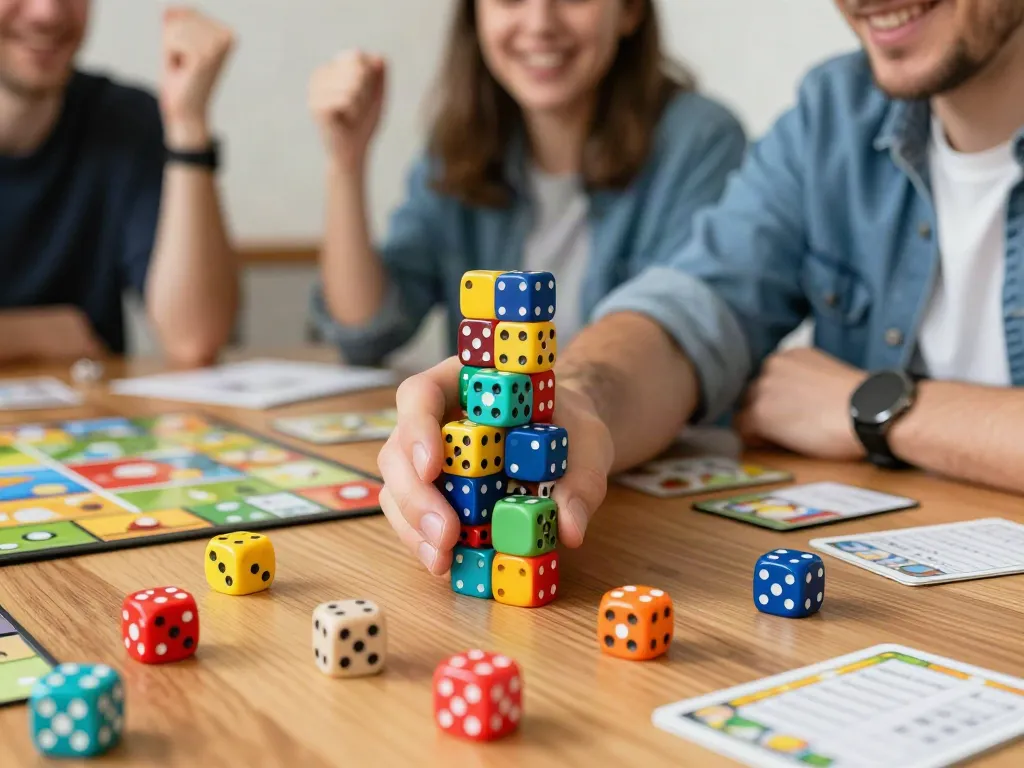
Understanding the Art of Dice Stacking
Dice stacking is not just a game; it is a fascinating blend of skill, dexterity, and creativity. This unique performance art captures the attention of audiences and participants alike as they witness the careful placement of dice into towering stacks. As interest in dice stacking continues to grow, enthusiasts are seeking resources and communities to enhance their skills and enjoy this captivating hobby. For those looking for comprehensive insights into the art of dice stacking, dicestack.net serves as a valuable resource.
What is Dice Stacking?
Dice stacking involves the skillful assembly of dice into a tower, where the performer scoops dice with a cup and builds a vertical column. Unlike traditional games, this art form combines elements of juggling and sleight-of-hand, requiring both physical and mental acuity. Each stack can be unique, displaying different patterns or heights depending on the techniques employed by the performer.
History and Evolution of Dice Stacking
The origins of dice stacking can be traced back to various cultures that used dice for games of chance. Over the years, it has evolved into a performance art, gaining traction in the early 2000s through social media platforms and live performances. Influential figures in the community have showcased their skills through tutorials and competitions, encouraging others to participate and innovate within this exciting space.
Key Skills Required for Mastery
To master dice stacking, one must develop several key skills:
- Hand-Eye Coordination: Essential for precise movements.
- Focus: Maintaining concentration while stacking is crucial for success.
- Steady Hands: Control over hand movements is necessary to prevent toppling.
- Practice: Consistent training leads to improvement and mastery.
Tools and Equipment for Dice Stacking
Equipping yourself with the right tools will enhance your dice stacking experience. Different types of dice and accessories can affect performance and outcome, so choosing wisely is crucial.
Choosing the Right Dice for Stacking
Not all dice are created equal when it comes to stacking. Look for dice that are uniform in size and shape to ensure stability. Common options include:
- Standard Cubes: Traditional six-sided dice are widely used.
- Weighted Dice: These provide better balance and control during stacking.
- Custom Dice: Unique shapes and designs can add flair but may require adjustment in technique.
Essential Accessories to Enhance Your Game
In addition to dice, certain accessories can enhance your overall experience:
- Dice Cups: A good dice cup helps in smoothly scooping and stacking.
- Practice Boards: Flat surfaces can aid in creating a stable stacking environment.
- Grip Tape: Useful for enhancing control and preventing slips during performances.
Where to Find the Best Dice and Tools
Many online retailers offer a wide selection of dice and accessories. Websites specializing in tabletop gaming often provide unique options. Additionally, local game shops may have specialized items for enthusiasts.
Techniques for Effective Dice Stacking
Mastering effective techniques is vital for anyone aspiring to excel in dice stacking. The right methods can make the difference between a stable tower and a crumbling mess.
Basic Stacking Techniques Every Player Should Know
Beginners should start with basic techniques:
- The Scoop: Learning how to scoop dice effectively is foundational.
- Balancing: Understanding how to balance dice on top of each other is key to creating height.
- Controlled Placement: Placing each die with precision helps avoid collapses.
Advanced Techniques for Competitive Play
For those looking to compete, advanced techniques become essential. These include:
- Speed Stacking: Practicing to reduce the time taken to stack a set number of dice.
- Creative Patterns: Developing unique stacking styles to differentiate yourself in competitions.
- Multilevel Structures: Experimenting with different heights and designs to impress judges and audiences.
Common Mistakes and How to Avoid Them
Even experienced stackers can make mistakes. Common pitfalls include:
- Rushing: Taking time to focus on each placement can prevent accidents.
- Poor Quality Dice: Ensuring your dice are effective for stacking is critical; avoid using damaged or inconsistent dice.
- Neglecting Warm-ups: Failing to warm up can lead to improper technique and increased frustration.
Building a Community Around Dice Stacking
A strong community can significantly enhance your dice stacking experience. Engaging with fellow enthusiasts fosters learning and collaboration.
Joining Online Forums and Social Media Groups
Online platforms are rich with communities focused on dice stacking. Joining forums or social media groups allows you to share experiences, ask questions, and learn from others. Many of these groups also host challenges and competitions, which can further improve your skills.
Hosting Local Dice Stacking Events and Competitions
Organizing local events can help cultivate interest in dice stacking. Whether it's a laid-back gathering or a competitive tournament, these events bring together stackers of all skill levels, fostering camaraderie and healthy competition.
Sharing Your Skills on Platforms Like dicestack.net
Utilizing platforms like dicestack.net to showcase your skills can attract feedback and encourage further growth. Documenting your journey can inspire others and build your personal brand within the community.
The Future of Dice Stacking in Gaming
As the gaming landscape evolves, so too does the art of dice stacking. Innovations in this space are exciting and reflect broader trends in gaming and entertainment.
Emerging Trends in Dice Stacking Techniques
Expect to see new techniques developed as technologies evolve. Virtual reality (VR) and augmented reality (AR) may soon play a role in enhancing practice methods and performance showcases.
Predictions for the Evolution of Dice Games by 2026
The landscape of dice games will likely diversify by 2026, with more competitive leagues and structured events becoming widely accessible. This growth could lead to enhanced sponsorships and a greater recognition of dice stacking as a legitimate skill.
How Technology is Influencing the Dice Stacking Community
Technology continues to shape how enthusiasts learn and collaborate. Online tutorials and streaming platforms provide immediate access to expert insights and showcase performances from top stackers, allowing others to learn effectively.
What are the Best Practices for Beginners?
For newcomers, focusing on foundational skills is essential. Regular practice, joining communities, and participating in events will significantly enhance your skills. Start slowly, build your confidence, and gradually incorporate more complex techniques.
How to Get Involved in Competitive Dice Stacking?
Engaging in competitive dice stacking can be thrilling. Start by attending local events, participating in online competitions, and continuously refining your skills. Building relationships with experienced stackers can provide invaluable insights into competitive strategies.
What Role Does Community Play in Developing Skills?
A supportive community fosters growth and learning. Engaging with others who share your passion can motivate you to improve and encourage the sharing of tips and techniques that may otherwise remain untapped.
What Are the Advantages of Using Online Resources?
Online resources offer a wealth of knowledge at your fingertips. From video tutorials to forums, they provide diverse perspectives and methods, ensuring you can find the style that suits you best.
How Can You Share Your Progress on Social Media?
Social media platforms are excellent for tracking and sharing your progress. Posting videos or images of your stacking journey not only engages your followers but invites feedback and encouragement from the broader community.
What Trends Should You Watch for in 2026?
As we approach 2026, watch for the incorporation of technology in training and performance. Additionally, expect a rise in the popularity of unique and complex stacking formations that reflect the creativity of the community.